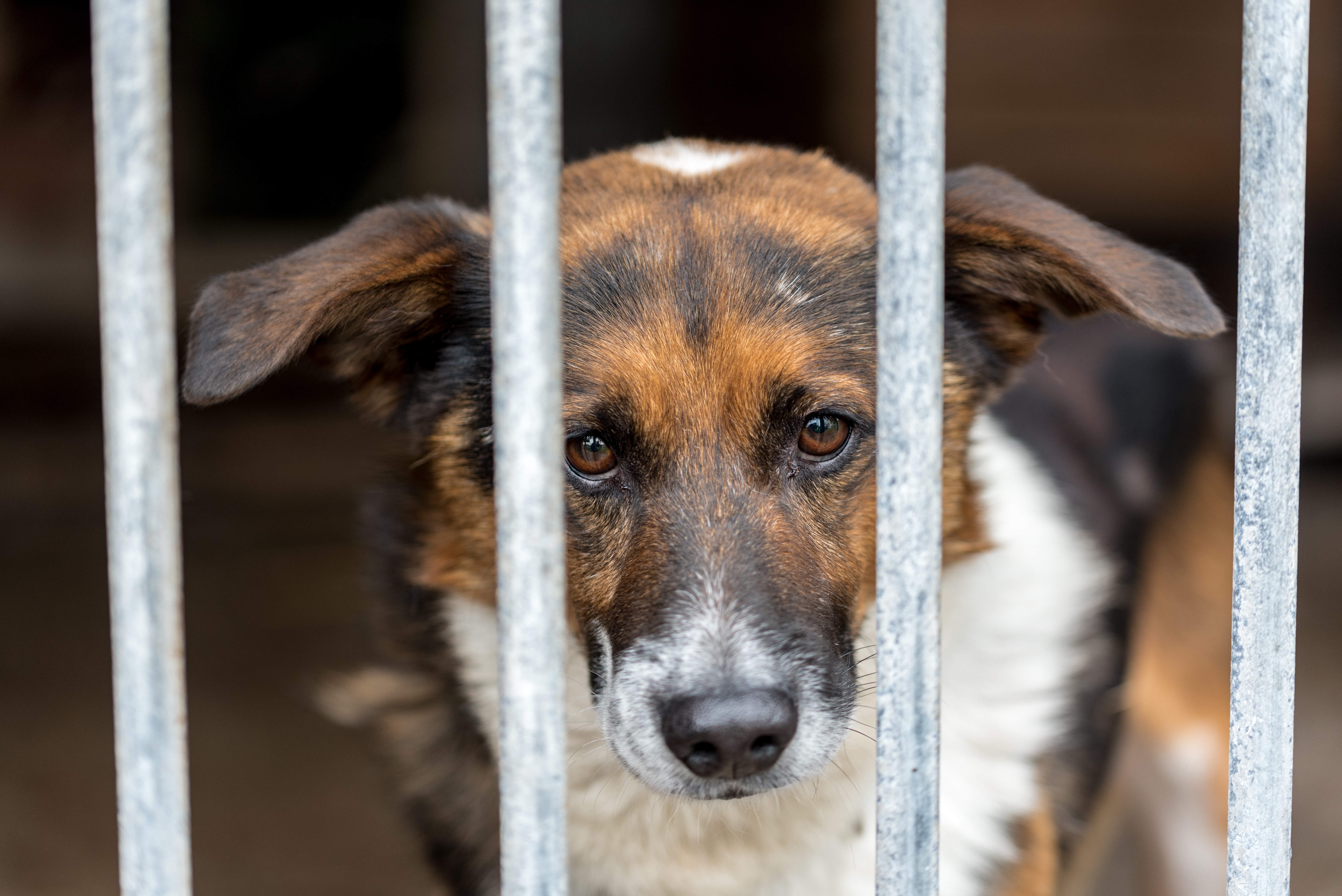
Why I don’t offer ‘Board and Train’
I would probably have been able to retire by now if I had accepted every request from owners for board and train for their dogs, it’s often tongue in cheek when their puppy is being very bitey, or if their dog performs beautifully when I ask them to do a behaviour, but then not for their owner, but sometimes it is a serious request so I thought I’d explain why I don’t think it is the answer.
A fully trained dog in a week or two – yes please!
It sounds like the perfect idea, send your dog away for a week or two and they come back perfectly trained, unfortunately there are lots of reasons why it usually doesn’t work (or the initial results don’t last).
Spoiler alert – very little about dog training is training the dog, they are the easy part of the equation, (especially when we use ethical, upto date training methods), most of ‘dog’ training is actually ‘owner’ support. I can easily teach a dog to loose lead walk, or recall, but unless you have consistency on an ongoing basis the training is unlikely to ‘stick’.
Training with your dog, should be just that, ‘with them’, it’s a fantastic way to build a mutual relationship – if you don’t have a good bond with your dog why would they come back to you when you call them ? How can you achive that bond if someone else has done the training ? Let’s face it, would you want a dog who went to every person that called them, or do you want to be the chosen one ?
I regularly see clients who have spent alot of money sending their dogs away for training, only to find within a week or two (or even less!) that the old behaviour has resurfaced, or, in extreme cases, their dogs personality has changed due to the methods used. To give you a couple of real life examples:
I spoke to an owner whose dog had been away for 3 weeks recall training – on the first day back their dog recalled perfectly when asked, yet, a couple of days later the dog was nearly hit by a car when it took off and failed to come back when asked. Why ? Because they hadn’t learnt to recall to the owner, even with ‘handover’ training you still need to do the ongoing work.In another instance, a dog was sent away for training, sadly the owners hadn’t been told the way in which the training would be done, and a shock collar was put on their dog as soon as she arrived (thankfully these will be illegal from Feb 2024) (on a side note, they are often now called an ‘e collar’, or even ‘remote training collars’ to make them sound more palatable!). This poor dog, confused, and scared escaped from the ‘training facility’ and was not found for 36 hours, who knows how terrified she must have been to run away
And the saddest one was a young, happy, but exhuberent, teenage dog who was sent away for training that came back scared of everything, and remains so to this day.
But board and train is quick!
We know, (lots and lots of scientific studies tell us so), that behaviour change in whatever form takes time, patience and consistency, whether that’s for humans, or dogs. How many times have you started something such as an intensive health kick and seen quick results, only to lose motivation a couple of weeks later and revert back to your previous lifestyle (not just me then ?). Yet if you take it slow and steady the results are usually longer lasting (it’s the way that I, a total non runner, managed to run the London Marathon – lots of slow, steady, consistent training over months).
If we take something like loose lead walking, it’s one of the hardest things we ask our dogs to learn, we are asking them to hinder their natural walking pace to match ours. It takes a long time for them to master and isn’t something that can be reliably taught in a week long board and train (at least not ethically, and if it appears to have been achieved I would question whether the methods used were in the dogs best interests).
So, what are the alternatives to board and train?
Board and train is usually very expensive, but, if we think about how long our dogs can reasonably train for in a single day you are paying an awful lot of money for the down time. Even if the training consists of 4 half hour sessions (which is a heck of a lot for any dog), that’s just two hours out of 24, the rest of the time you are essentially paying for someone to dog sit.
There are other options, which are better, not only for you and your dog, but usually also your wallet. Intensive at home training is one option, your dog gets to stay in a familar environment, with people who love them, and you learn together. The results will be longer lasting, your bond with your dog will be better, and your wallet will thank you for it.
If you worked with an ethical trainer 2-3 times a week for a period of say 6 weeks you would see a huge change in your dogs behaviour – why ? because it is you working with your dog, you are getting the input, understanding, and skills needed to continue the work. it still won’t be cheap as chips but it’s still cheaper (in most cases) than sending your dog away for a single week !
If you haven’t got huge amounts of time to dedicate to training (I get it, life is busy), there are options such as walk and train. This is something I have offered previously and in alot of instances it worked really well. It’s not as intensive as you working with the trainer all the time, but it still has considerable benefits. With walk and train, you would have maybe one session a week with the trainer, they, and you, would formulate, or tweak the training plan, then on a daily basis (with a couple of days off a week) the trainer would work with your dog, implementing the plan and in the between times you would too – there are so many benefits to this way of training, your dog is not only getting the training, and exercise they need on a daily basis, you are a key part of the training process which helps build your bond and the effectiveness of the training.
If you are interested in either intensive at home training, or walk and train, and are committed to putting the work in, please get in touch